As technology continues to transform industries worldwide, STEM (Science, Technology, Engineering, and Mathematics) education has become one of the most valuable pathways to a successful career. STEM graduates are driving innovation in artificial intelligence, healthcare, renewable energy, cybersecurity, and countless other fields. However, choosing the right STEM degree requires more than following salary trends. It should also match your interests, strengths, and long-term career goals. This guide explores the best STEM degree programs for the future, the skills they require, career opportunities, salary expectations, and how to choose the right study pathway.
What Counts as a STEM Degree?
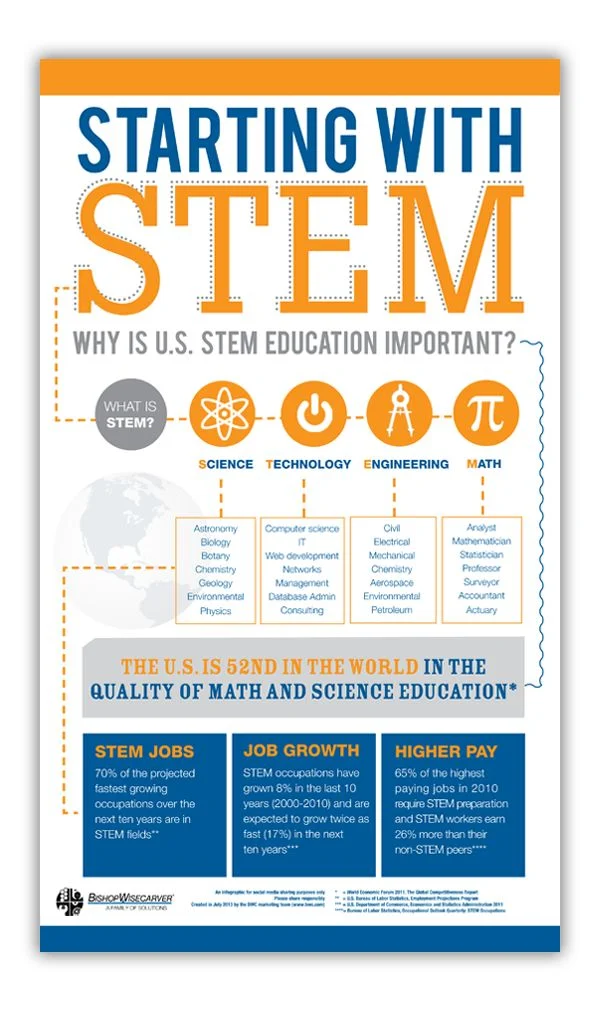
STEM encompasses a broad range of disciplines focused on scientific knowledge, technology, engineering, and mathematical problem-solving.
- Science: Biology, Chemistry, Physics, Environmental Science, and Biochemistry prepare students for careers in research, healthcare, and pharmaceuticals.
- Technology: Computer Science, Information Technology, Software Engineering, and Information Systems focus on software development, networking, and digital innovation.
- Engineering: Civil, Mechanical, Electrical, Chemical, and Biomedical Engineering apply scientific principles to design and improve products and infrastructure.
- Mathematics: Mathematics and Statistics support careers in finance, data analytics, artificial intelligence, and research.
- Interdisciplinary Programs: Emerging fields like Data Science, Bioinformatics, Robotics, and Artificial Intelligence combine multiple STEM disciplines to solve complex challenges.
High-Growth STEM Fields
Several STEM sectors are expected to experience strong demand over the next decade.
Artificial Intelligence
AI is reshaping industries through automation, machine learning, and intelligent systems. Careers include AI Engineer, Machine Learning Engineer, and AI Research Scientist. Professionals with expertise in Python, statistics, and deep learning are highly sought after.
Data Science
Organizations rely on data to make informed decisions. Data Scientists and Data Analysts use statistical methods and programming to uncover valuable insights. Skills in SQL, Python, and data visualization are essential.
Cybersecurity
With increasing cyber threats, businesses need experts to protect sensitive information. Careers include Cybersecurity Analyst, Ethical Hacker, and Security Engineer. Networking, encryption, and risk management are key areas of knowledge.
Biotechnology
Biotechnology combines biology with technology to improve healthcare, agriculture, and pharmaceuticals. Careers include Biomedical Scientist, Genetic Engineer, and Clinical Researcher.
Renewable Energy
As countries invest in sustainable solutions, demand is growing for Renewable Energy Engineers, Sustainability Consultants, and Energy Analysts who develop cleaner energy systems.
Robotics
Robotics integrates mechanical engineering, electronics, computer science, and AI.
Career options include:
- Robotics Engineer
- Automation Engineer
- Embedded Systems Engineer
- Industrial Robotics Specialist
Robotics is increasingly important in manufacturing, healthcare, logistics, and space exploration.
Environmental Science
Climate change and environmental sustainability have created growing demand for environmental professionals.
Career paths include:
- Environmental Consultant
- Conservation Scientist
- Climate Analyst
- Environmental Engineer
These professionals work on pollution control, conservation, and sustainable development.
Core Skills Needed for STEM Success
Success in STEM depends on both technical and professional skills.
- Mathematics: A strong understanding of calculus, statistics, and algebra supports many STEM disciplines.
- Programming: Languages such as Python, Java, C++, and R are valuable across technology, engineering, and data science.
- Research Skills: Designing experiments, analyzing data, and evaluating evidence are essential, particularly for scientific careers.
- Laboratory Experience: Practical lab work helps students apply theoretical concepts in real-world settings.
- Problem-Solving: Employers value graduates who can analyze complex challenges and develop effective solutions.
- Communication: Writing reports, presenting findings, and collaborating with teams are critical for career growth.
STEM Degrees and Career Paths
Different STEM careers require different education levels.
Bachelor’s-Level Opportunities
Many rewarding careers are available immediately after earning a bachelor’s degree.
Examples include:
- Software Developer
- Civil Engineer
- Mechanical Engineer
- Data Analyst
- Laboratory Technologist
- Environmental Consultant
- Network Engineer
These positions often provide opportunities for advancement with experience.
Careers Requiring Graduate Education
Some specialized fields require master’s or doctoral degrees.
These include:
- Artificial Intelligence Research
- Biotechnology Research
- Advanced Data Science
- University Teaching
- Clinical Research
- Advanced Engineering Design
Graduate education often leads to higher salaries and leadership opportunities.
Research and Academic Careers
Universities, research institutes, and government laboratories hire STEM graduates to conduct scientific investigations and develop innovative technologies.
Responsibilities include:
- Publishing research
- Leading projects
- Mentoring students
- Securing research funding
Industry Positions
Private companies recruit STEM professionals across numerous sectors.
Industries include:
- Technology
- Healthcare
- Manufacturing
- Aerospace
- Finance
- Automotive
- Telecommunications
- Energy
Industry careers often provide competitive salaries and opportunities to work on cutting-edge technologies.
Choosing the Right STEM Program
Selecting the right university and degree program is just as important as choosing the field itself. Consider these factors:
- An up-to-date curriculum that includes modern technologies and practical projects.
- Well-equipped laboratories for hands-on learning.
- Accreditation that ensures academic quality.
- Faculty involved in active research.
- Internship opportunities with reputable organizations.
- Strong industry partnerships that improve job placement after graduation.
These factors can significantly influence your learning experience and career prospects.
Degree Versus Skills-Based Learning
A university degree provides a solid academic foundation, but employers increasingly value practical skills alongside formal education.
Professional certifications in cloud computing, cybersecurity, and data analytics can strengthen your resume. Coding boot camps and online courses offer targeted training in rapidly evolving technologies, while personal projects and GitHub portfolios demonstrate real-world abilities to employers.
The most competitive candidates often combine a STEM degree with certifications, practical experience, and continuous learning.
Scholarships and Financial Support
Today’s employers increasingly value both formal education and practical skills.
University Education
A university degree provides:
- Theoretical knowledge
- Critical thinking
- Research experience
- Academic credibility
- Networking opportunities
For many STEM careers, a bachelor’s degree remains the standard entry requirement.
Professional Certifications
Certifications demonstrate specialized expertise.
Examples include certifications in:
- Cloud computing
- Cybersecurity
- Data analytics
- Networking
- Project management
They can enhance employability alongside a degree.
Boot Camps
Coding boot camps offer intensive practical training over a shorter period.
They are particularly useful for software development and web technologies but may not replace a full STEM degree for many technical professions.
Online Courses
Online learning platforms allow students to continuously update their knowledge as technologies evolve.
Courses in AI, cybersecurity, programming, and data science can complement university education.
Practical Portfolios
Employers increasingly evaluate practical experience through portfolios.
Students should showcase:
- Software projects
- Research papers
- Engineering designs
- GitHub repositories
- Mobile applications
- Robotics projects
A strong portfolio demonstrates real-world abilities beyond academic grades.
Challenges STEM Students Should Expect
STEM education offers rewarding opportunities but also presents unique challenges.
Academic Workload
Courses often involve:
- Advanced mathematics
- Laboratory work
- Programming assignments
- Technical projects
- Research papers
Effective time management is essential.
Rapidly Changing Technology
Technology evolves quickly, requiring professionals to continually update their skills throughout their careers.
Learning does not end after graduation.
Continuous Learning
Successful STEM professionals regularly pursue:
- Professional certifications
- Workshops
- Conferences
- Online courses
- Industry training
Lifelong learning has become a necessity rather than an option.
Competitive Internships
Top internship programs can be highly competitive.
Students improve their chances by maintaining strong grades, participating in research, building projects, and developing communication skills.
Future-Proofing a STEM Career
Long-term success in STEM requires adaptability. Combining technical expertise with communication and teamwork skills helps professionals advance into leadership roles. Understanding ethics, privacy, and regulations is increasingly important in fields like AI and biotechnology.
Students should also build interdisciplinary knowledge by combining areas such as AI with healthcare, robotics with manufacturing, or environmental science with data analytics. Maintaining a portfolio of research, coding projects, engineering designs, or open-source contributions demonstrates practical experience and strengthens job applications.
Conclusion
STEM degree programs continue to offer some of the strongest career opportunities in today’s technology-driven economy. Fields such as artificial intelligence, data science, cybersecurity, biotechnology, renewable energy, robotics, and environmental science are expected to remain in high demand for years to come.
Choosing the right STEM program means balancing career prospects with personal interests and abilities. By selecting a high-quality program, developing technical and communication skills, gaining practical experience, and committing to lifelong learning, students can build successful and future-ready careers. In a world where innovation drives progress, a well-planned STEM education provides not only excellent job prospects but also the opportunity to make a meaningful impact on society.