
One of the most crucial choices for future software engineers, AI experts, cybersecurity professionals, and tech entrepreneurs is selecting the right university for computer science studies. It is important to note that although global university rankings can give an idea about the reputation of the university, they do not always indicate the quality of the computer science program.
A good overall reputation does not necessarily mean that the institution will have a strong research program or offer the most current curriculum or the best connections to the industry. On the contrary, a university that has a well-developed computer science department may offer more robust technical education, more internship opportunities, and higher employment rates for students.
What Makes a Computer Science University Excellent?
Several factors distinguish outstanding computer science universities from average programs.
Faculty Research
Professors who are currently doing research in artificial intelligence, robotics, cybersecurity, machine learning, distributed systems, and software engineering are recruited by leading universities. The students get to learn the latest technologies directly from the experts who are actively advancing the field.
Modern Course Offerings
Technology evolves rapidly. Rather than relying on traditional programming topics, universities should continually introduce new topics like cloud computing, AI, blockchain, DevOps, mobile development, data science, and cybersecurity to their curriculum.
Computing Infrastructure
Students get access to advanced computer labs, cloud computing platforms, GPU servers, robotics labs, and cybersecurity facilities, which provide them with hands-on experience beyond schoolwork.

Industry Partnerships
Partnerships between universities and leading tech firms can lead to networking chances, hackathons, guest lectures or speeches, internships, and sponsored research opportunities that enhance career readiness.
Graduate Outcomes
High employment rates, average starting salaries, graduate school placement, and successful alumni are useful indicators of the long-term benefit of a university.
Important Computer Science Specializations
Computer science is a broad discipline with many career paths. Before selecting a university, students should determine which specialization aligns with their interests.
Artificial Intelligence
AI focuses on machine learning, deep learning, natural language processing, computer vision, and intelligent systems. Demand for AI professionals continues to grow across healthcare, finance, transportation, and manufacturing.
Software Engineering
Software engineering emphasizes software design, testing, project management, software architecture, and large-scale application development.
Cybersecurity
Cybersecurity programs prepare students to defend networks, applications, and digital infrastructure against cyber threats through ethical hacking, digital forensics, and security analysis.
Data Science
Data Science is an interdisciplinary field that merges statistical, programming, machine learning, and data visualization approaches to tackle business and scientific challenges with large data sets.
Human-Computer Interaction
HCI delves into the world of users and technology, including user experience (UX), design of the interface, accessibility, and usability testing.
Computer Systems
A specialization in computer systems is suitable for students interested in hardware, operating systems, embedded systems, networking, and distributed computing.
Curriculum Elements to Look For
A strong curriculum balances theoretical knowledge with practical skills.
Core subjects should include:
- Algorithms and data structures
- Programming fundamentals
- Object-oriented programming
- Computer architecture
- Operating systems
- Database systems
- Computer networks
- Software engineering
- Web and mobile development
- Artificial intelligence
- Information security
- Ethics in computing
The best programs also include project-based learning where students solve real-world problems through team projects and software development assignments.
Universities that regularly revise their curriculum to reflect current industry practices better prepare graduates for evolving technology careers.
Research Opportunities
Research experience offers students advanced technical skills and boosts graduate school applications.
Undergraduate Research
There are many universities offering opportunities for undergraduate students to engage in faculty-directed research projects. This experience is designed to give students the skills of critical thinking, experimentation, and scientific writing.
Research Laboratories
Well-funded laboratories in AI, robotics, cybersecurity, quantum computing, or data science expose students to cutting-edge technologies.
Publications
Students who contribute to academic papers or present research at conferences demonstrate initiative and technical expertise that employers value.
Faculty Mentorship
Working closely with experienced professors helps students explore research interests, secure recommendation letters, and identify future career opportunities.
Funded Projects
Government and industry-funded research projects often provide paid research assistant positions while exposing students to real technological challenges.

Internship and Co-op Opportunities
Practical experience is often as valuable as classroom education.
Technology Company Partnerships
Universities with strong relationships with technology companies help students secure internships at software firms, startups, financial institutions, and multinational corporations.
Startup Ecosystems
Universities located near technology hubs provide greater access to startup internships, networking events, innovation centers, and entrepreneurial communities.
Career Fairs
Annual career fairs allow students to connect directly with recruiters from leading companies, improving internship and full-time employment opportunities.
Cooperative Education (Co-op)
Some universities offer co-op programs where students alternate between academic study and full-time paid employment. These programs often result in graduates having one to two years of professional experience before earning their degree.
Remote Internships
As remote work becomes increasingly common, universities supporting virtual internships allow students to gain global work experience regardless of location.
Comparing Tuition with Career Value
Higher tuition does not always guarantee better career outcomes.
Public vs. Private Universities
Public universities generally offer lower tuition, especially for domestic students, while private institutions may provide smaller class sizes, stronger alumni networks, or additional research funding.
Scholarships
Merit-based scholarships, need-based financial aid, and departmental awards can significantly reduce education costs.
Assistantships
Graduate students may receive teaching or research assistantships that cover tuition while providing valuable academic experience.
Living Expenses
Students should calculate accommodation, transportation, food, healthcare, and personal expenses in addition to tuition when comparing universities.
Expected Graduate Earnings
A university with higher tuition may still provide excellent value if graduates consistently secure high-paying jobs with strong long-term career growth.
Admission Requirements
Computer science programs often have competitive admission standards.
Mathematics Preparation
Strong performance in mathematics, including calculus, algebra, statistics, and discrete mathematics, is essential for success.
Programming Experience
While not always mandatory, experience with languages such as Python, Java, C++, or JavaScript demonstrates motivation and readiness.
Test Scores
Some universities consider standardized test scores alongside academic transcripts, although many institutions have adopted test-optional policies.
Essays
Personal statements should explain your interest in computer science, career goals, problem-solving mindset, and relevant experiences.
Portfolios and Technical Projects
A GitHub portfolio featuring software applications, websites, mobile apps, AI projects, or open-source contributions can significantly strengthen an application.
Universities for Different Student Goals
Different universities excel in different areas, so students should choose based on personal objectives rather than reputation alone.
Best for Research
Research-focused universities offer world-class laboratories, substantial funding, doctoral opportunities, and internationally recognized faculty.
Best for Entrepreneurship
Some universities foster startup culture through incubators, innovation centers, accelerator programs, and venture capital connections.
Best for Affordability
Affordable public universities with strong computer science departments can deliver excellent education while minimizing student debt.
Best for International Students
Universities offering dedicated international student support, career services, visa guidance, and diverse campus communities create a smoother transition for students studying abroad.
Best for Online or Flexible Study
Flexible online programs allow working professionals and adult learners to develop technical skills while maintaining their careers.
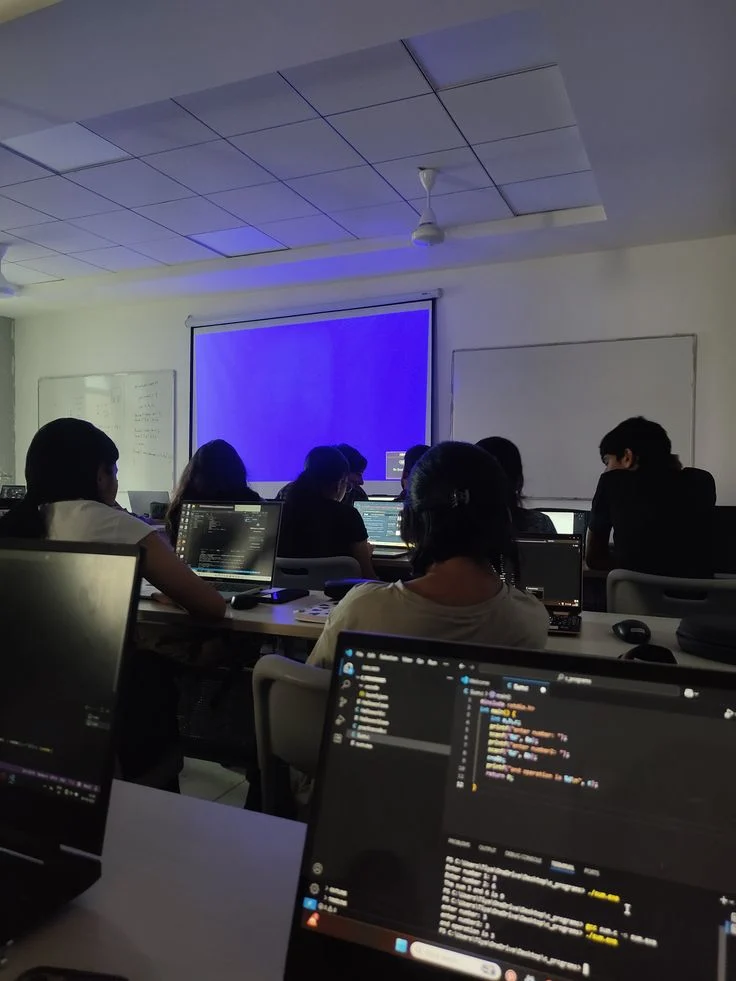
How to Build a Strong Application
Admission committees look beyond grades when evaluating applicants.
Develop a coding portfolio that demonstrates practical programming ability through websites, mobile apps, AI models, or software tools. Maintain an active GitHub profile showcasing clean code, documentation, and continuous improvement.
Participate in coding competitions, hackathons, programming contests, or cybersecurity challenges to demonstrate problem-solving abilities under pressure.
Research experience, even at the high school or undergraduate level, can distinguish applicants from similarly qualified candidates. Working with professors, publishing research, or presenting projects reflects intellectual curiosity and dedication.
Finally, build a strong mathematics foundation. Subjects such as calculus, linear algebra, probability, and discrete mathematics form the backbone of many advanced computer science topics, including artificial intelligence, cryptography, graphics, and machine learning.
Conclusion
The best computer science university is not necessarily the one with the highest overall ranking but the one that best matches your academic interests, career goals, and financial situation. A high-quality program combines rigorous theoretical education with hands-on projects, modern laboratories, active research opportunities, industry partnerships, and meaningful internship experiences.
Before making your decision, compare curriculum quality, faculty expertise, research facilities, graduate employment rates, tuition costs, scholarship opportunities, and career support services. By choosing a university that balances academic excellence with practical industry preparation, you’ll be well-positioned to succeed in one of the world’s fastest-growing and most rewarding fields.