
For many students around the world, studying at an Ivy League university feels like the ultimate academic achievement. These universities are known for their world-class education, influential alumni, groundbreaking research, and highly selective admissions. Every year, thousands of talented students apply with hopes of joining one of these prestigious institutions.
However, the Ivy League is often misunderstood. Many people assume it represents the eight best universities in the world or that earning an Ivy League degree automatically guarantees career success. In reality, the Ivy League is simply a group of eight private universities in the northeastern United States that originally formed an athletic conference. Their strong academic reputation came later through decades of excellence in education, research, and innovation.
The Eight Ivy League Universities
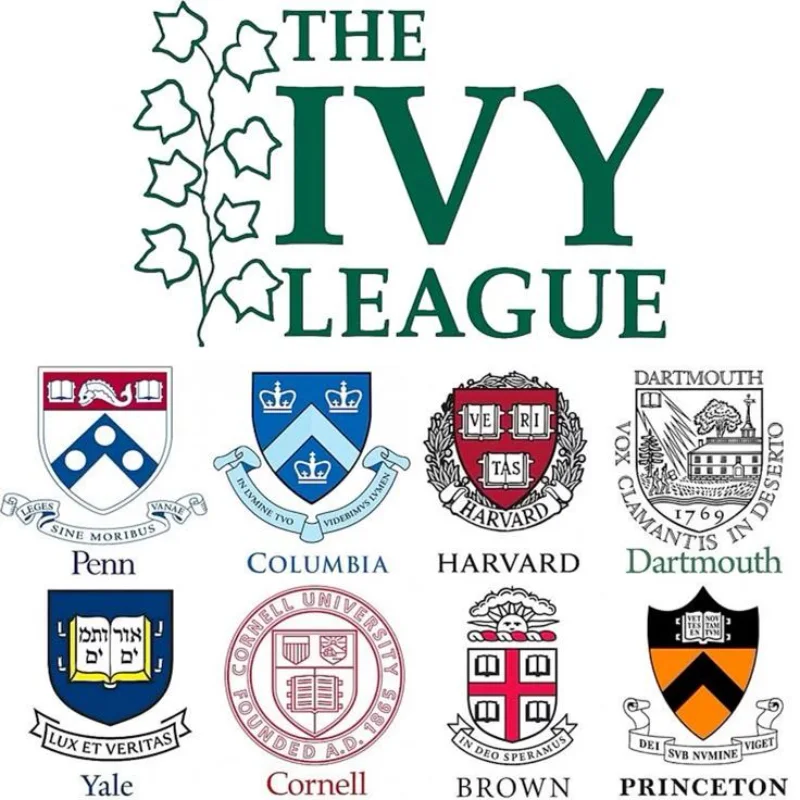
Each Ivy League university has its own personality and academic focus.
Harvard University in Cambridge, Massachusetts, is the oldest university in the United States. It is known for outstanding research, diverse academic programs, and one of the world’s largest university libraries.
Yale University, located in New Haven, Connecticut, is famous for its residential college system and strong programs in law, arts, literature, and political science. Students often describe Yale as collaborative rather than overly competitive.
Princeton University offers a smaller undergraduate community compared to most Ivy League schools. Its beautiful campus and close interaction with professors create an excellent learning environment.
Columbia University, situated in New York City, gives students access to countless internships, cultural experiences, and professional networking opportunities. The city itself becomes an extension of the classroom.
The University of Pennsylvania (Penn) combines liberal arts with professional education. Its Wharton School has earned a global reputation for business and finance, making Penn especially attractive to future entrepreneurs and business leaders.
Brown University stands out because of its Open Curriculum. Instead of following a strict set of general education requirements, students have the freedom to design much of their own academic journey.
Dartmouth College offers a close-knit community in a scenic rural setting. Smaller class sizes and strong student traditions help create a welcoming campus atmosphere.
Cornell University, the largest Ivy League institution, offers an exceptionally broad range of academic programs. From engineering and architecture to hospitality management and agriculture, Cornell provides opportunities that few universities can match.
Academic Strengths
Although every Ivy League university provides an excellent education, each one has areas where it particularly excels.
Students interested in business and economics often consider Penn because of the Wharton School, while Harvard also attracts future business leaders through its respected economics programs and business resources.
For engineering and technology, Cornell has built an outstanding reputation with modern research facilities and industry partnerships. Princeton and Columbia also offer highly respected engineering programs that combine theory with innovation.
Those planning careers in medicine or life sciences frequently choose Harvard because of its close connection to leading hospitals and medical research centers. Penn and Yale are equally recognized for medical research, biotechnology, and healthcare education.
Students passionate about humanities often prefer Yale or Brown. Yale has long been known for literature, history, music, and drama, while Brown encourages students to explore different disciplines through its flexible curriculum.
In law, public policy, and international affairs, Harvard, Columbia, and Princeton consistently produce graduates who go on to become lawyers, policymakers, diplomats, and public leaders.
What Ivy League Admissions Look For
Getting into an Ivy League university is extremely competitive. Every applicant usually has excellent grades, so admissions officers look beyond academics when making decisions.
Strong academic performance remains essential. Students are expected to challenge themselves by taking the most demanding courses available in their schools, whether that means AP, IB, A-Level, or advanced national curricula.
Extracurricular activities also matter, but quality is more important than quantity. Universities prefer students who have shown long-term commitment and meaningful achievements rather than participating in dozens of unrelated clubs.
Personal essays are another critical part of the application. A memorable essay gives admissions officers a chance to understand who the student really is. Instead of trying to sound perfect, successful applicants often write honestly about experiences that shaped their interests, values, or goals.
Understanding Holistic Admissions
One of the biggest misconceptions about Ivy League admissions is that they focus only on grades and test scores. In reality, they use a holistic review process.
Admissions officers evaluate students within the context of their personal circumstances. They consider the opportunities available at a student’s school, family background, and local community. A student who achieved exceptional results despite limited resources may receive strong consideration.
Universities also value intellectual curiosity. Reading independently, conducting research, building projects, or exploring interests outside the classroom can demonstrate a genuine love of learning.
Leadership is another important quality, but leadership does not always mean being president of a club. Starting a community project, mentoring younger students, or solving a local problem can be just as impressive.

Tuition and Financial Aid
Many students assume Ivy League universities are only for wealthy families because of their high tuition fees. While the published cost can exceed USD 60,000 per year, that number rarely reflects what many families actually pay.
All Ivy League universities provide generous need-based financial aid. Students from lower-income families often receive grants that significantly reduce tuition, housing, and other educational expenses. Unlike loans, grants do not have to be repaid.
Several Ivy League schools also provide financial assistance to international students based on demonstrated financial need, although policies differ between universities.
When comparing universities, students should focus on the net price, which is the actual amount paid after scholarships and financial aid are applied. This figure often surprises families who assume an Ivy League education is automatically unaffordable.
Student Life Beyond the Classroom
Life at an Ivy League university involves much more than academics.
Most students live on campus during their undergraduate years, creating close friendships and supportive communities. Residential housing, student traditions, and campus events help students feel connected.
Class sizes vary depending on the course. Introductory lectures can be large, but advanced classes are usually much smaller, allowing students to interact directly with professors.
Student organizations are another major part of campus life. Whether someone enjoys entrepreneurship, robotics, debate, volunteering, music, athletics, or cultural activities, there are countless opportunities to become involved.
Each university also has its own unique atmosphere. Columbia offers the excitement of New York City, while Dartmouth provides a peaceful rural setting surrounded by nature. Brown encourages academic independence, Princeton emphasizes close faculty relationships, and Penn blends academics with professional development. These differences often matter just as much as rankings.
Career Opportunities After Graduation
An Ivy League degree can certainly open doors, but success depends on how students use the opportunities available to them.
Many graduates continue to top medical, law, business, and graduate schools around the world. Others begin careers in finance, consulting, technology, engineering, healthcare, journalism, government, or nonprofit organizations.
One major advantage is the alumni network. Graduates often help current students through mentorship, internships, career advice, and professional connections that continue long after graduation.
Research opportunities also prepare students for competitive careers. Working alongside leading professors allows undergraduates to gain valuable experience while contributing to meaningful discoveries.
Entrepreneurship is another strength of many Ivy League campuses. Universities provide startup incubators, funding opportunities, and mentorship that encourage students to transform ideas into successful businesses.
Common Myths About the Ivy League
Several myths continue to influence how students view Ivy League universities.
The first is that perfect grades guarantee admission. In reality, many students with flawless academic records are rejected each year because admissions decisions consider far more than grades.
Another myth is that every Ivy League university offers the same experience. Each campus has its own teaching style, academic strengths, traditions, and student culture.
Some people also believe every graduate becomes wealthy. While many graduates enjoy successful careers, an Ivy League degree alone cannot guarantee financial success.
Finally, many families assume only wealthy students can afford these universities. Thanks to generous need-based financial aid, talented students from a wide range of financial backgrounds attend Ivy League schools every year.
Conclusion
The Ivy League represents academic excellence, but it should never be viewed as the only path to success. Each university offers different strengths, learning environments, and opportunities, meaning the best choice depends on the individual student rather than the university’s reputation.
Students should focus on finding a campus that matches their academic interests, career goals, financial situation, and personal values. A university where you feel supported and challenged will almost always provide a better experience than choosing a school based solely on prestige. In the end, your curiosity, determination, and willingness to learn will shape your future far more than the name printed on your diploma.