The tortilla’s journey from a sacred Mesoamerican dish to a global comfort food is a mix of chemistry, skill, and innovative engineering. It comes from wheat flour. In this in-depth look, you’ll discover what makes nixtamalized tortillas unique, learn how to prevent common mistakes at home, learn the best methods for reheating them, and explore how new machinery has expanded an old process without compromising its essence. As a tortilla lover, this article is especially for you. It is the perfect guide for you if you love tortillas or want to explore the excellent cuisine. So, let’s start from the beginning.
Contents
- What Are Nixtamalized Tortillas?
- The Science and Tradition of Nixtamalization
- Handmade Tortillas: Craftsmanship and Culture
- What Are the Common Mistakes When Making Tortillas?
- What’s the Best Way to Heat Up Tortillas?
- Transition to Modern Methods of Tortilla Making
- The Industrial Revolution of Tortilla Machines
- Conclusion
What Are Nixtamalized Tortillas?
Nixtamalized tortillas are corn tortillas made from maize that have been cooked and soaked in an alkaline solution, typically consisting of water and slaked lime (calcium hydroxide). Corn is the main ingredient for tortillas. This procedure breaks down the hull (pericarp), modifies the grain’s structure, and converts it into nixtamal. When you grind nixtamal, it turns into masa, which is the fresh dough used to make tortillas, tamales, and other traditional Mexican dishes. You may rehydrate dried and ground nixtamal at home to make masa harina. It contains so much nutrition for your health.
Nixtamalization does three essential things. It enhances the flavor and scent (that toasted, floral smell when a tortilla hits the comal), the texture (a soft chew that yet retains structure), and the nutritional value by making niacin and vital amino acids more readily available to the body. The process of making tortilla from corn is Nixtamalization. It also makes it easier to digest and work with dough.
The Science and Tradition of Nixtamalization
From a scientific perspective, the alkaline bath breaks down the hemicellulose in the maize hull, enabling the kernel to absorb water evenly and grind more easily. Calcium from the lime can crosslink with pectins, which changes the way the dough behaves in little ways. The process also releases bound niacin, which helps prevent pellagra in individuals who consume a high amount of maize. The masa holds together, presses cleanly, and puffs up when heated. These are all signals that it has the proper structure and moisture balance.
In the past, nixtamalization was more of a rhythm than a formula. Families and tortillas adjust the amount of lime, the cooking time of the tortillas, and the steeping time based on the type of corn, the hardness of the kernels, and even the time of year. The hull should come off easily when rubbed between your fingers, and the kernel should be soft but not mushy. These touch cues have been passed down through generations. In a world of timers and thermostats, nixtamalization remains an art that involves sight, smell, and touch—science combined with memory.
Handmade Tortillas: Craftsmanship and Culture
Handmade corn tortillas begin with warm, freshly ground masa. Take a piece and roll it into a smooth ball (this is a test of hydration). Then, either press it between sheets of plastic in a tortilla press or pat it by hand. Please put it on a hot comal. If the dough is balanced and the heat is just right, you’ll see a miraculous “inflate” on the second or third turn, the puff when steam separates the layers, making them soft and tender.
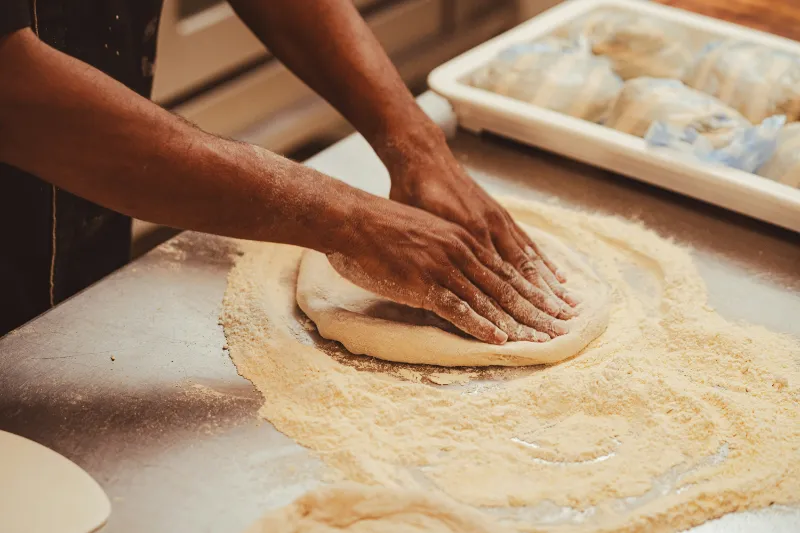
But skill is only part of the story. Tortillas are a big part of Mexican family meals. Yes, just like Mexican Sinaloan Sushi, Quesabirria. Abuelas teach their grandchildren how to tell whether the dough is good by how it feels on their palms. Neighbors buy stacks of tortillas that are still warm and wrapped in paper. Street vendors turn masa into tacos, sopes, and tlacoyos. Making tortillas brings people together. The sound of tortillas slapping from press to comal is a common occurrence in many kitchens.
What Are the Common Mistakes When Making Tortillas?
Even experienced cooks run into a few problems that are easy to see:
Off-dough texture: Too dry breaks the tortilla; too damp causes it to stick or rip. Aim for a Play-Doh texture that is smooth, pliable, and somewhat tacky.
Cooking too hot: A cold comal dries the tortilla, whereas overheating burns outside before cooking. Medium-high heat with light freckles after two passes is ideal.
No puff: Puffing indicates hydration, thickness, and timing. Press lightly to stimulate the balloon at 30–40 and 45–60 seconds.
Skipping steam: Rest the tortillas in a towel or on a warmer to retain steam after cooking.
Mixing methods: Corn tortillas require only nixtamal, while flour tortillas require lard and baking powder.
What’s the Best Way to Heat Up Tortillas?
It’s ideal to eat fresh food, but you can revive day-old tortillas smartly.
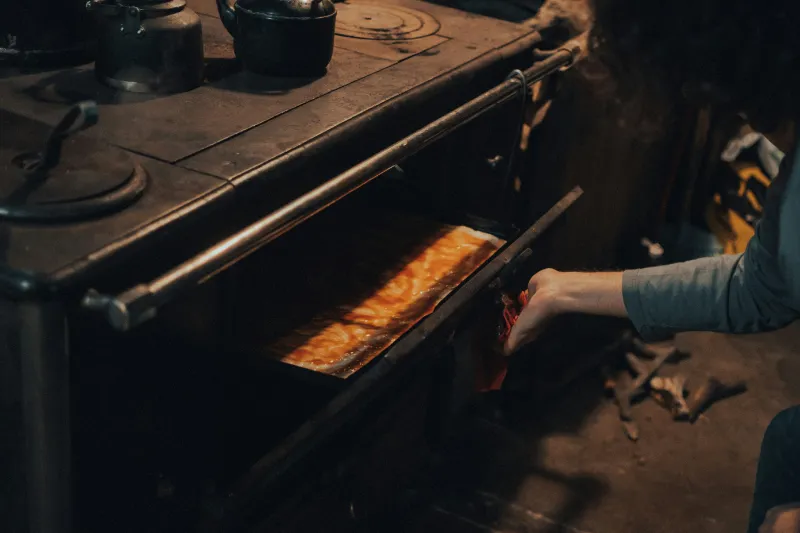
Skillet or comal (taste and texture)
Put a dry skillet on medium-high heat. Warm each tortilla for 15 to 30 seconds on each side, or until it is soft and has light spots. Please put in a towel and stack them up to steam for a short while. This procedure restores the smell and a hint of toast.
Oven (excellent quantity)
Place 8 to 12 tortillas on a damp but not wet towel and then wrap them in foil. Heat for 10 to 15 minutes, or until the temperature reaches approximately 175 to 190 degrees Celsius (350 to 375 degrees Fahrenheit). The towel makes soft steam, and the foil keeps it from drying out. Please place it in a warmer to keep warm.
Steam (quickly softens)
A quick trip through a steamer basket, lasting 30 to 60 seconds, makes tortillas exceptionally soft and tender. Perfect for enchiladas and chilaquiles, where being flexible is more important than having toasted notes.
Microwave (with a trick, it’s okay)
Place 4 to 6 tortillas between slightly damp paper towels and heat them for 20 to 30 seconds. Serve right away and keep covered. When tortillas cool down, microwaves can cause them to become rubbery, so use this method only when necessary.
Two suggestions from the pros: Don’t overheat them since the liquid will escape and the tortillas will dry out and crack. After reheating, let the stack sit for a minute to allow the steam to settle.
Transition to Modern Methods of Tortilla Making
As life in cities became faster, tools evolved to maintain high quality without requiring hours at the metate. At home, the handheld tortilla press (tortilladora) ensured consistency in thickness and speed, while electric griddles maintained the heat. Countertop mills replaced stone grinding for small businesses. They gave a consistent grind without changing the taste of nixtamal.
There were also new ideas on ingredients and how to get them. Masa harina, which is dried nixtamal, made authentic tortillas easy to get, even if you lived far from a tortilla. Careful brands use high-quality corn and controlled nixtamalization to keep the flavor and nutrition. Finding nixtamal was no longer the main problem for the home cook; instead, they had to determine the optimal amount of water, pressing technique, and heat. This made it a manageable craft, rather than an all-day project.
The Industrial Revolution of Tortilla Machines
The transition from handmade to industrial production was facilitated by machines that enabled tortillas to be made nonstop. You put in masa and got a river of tortillas. Inventors like Fausto Celorio were the first to build automatic presses and built-in ovens that could produce thousands of tortillas every hour, all with the same size, thickness, and doneness. This made the tortilla go from a neighborhood staple to something that could be shipped to other countries.
Industrialization did more than increase production; it also made markets more stable, lowered costs, and made it easier for tortillas to travel. Global firms invest in the supply chains for corn, quality standards, and packaging that enable tortillas to remain soft for weeks. Purists say that industrial tortillas can be less fragrant, have a tighter crumb, and taste milder. However, the most significant producers utilize heirloom maize, meticulous nixtamalization, and shorter ingredient lists to strike a balance between authenticity and efficiency. In real life, both worlds coexist machine-made tortillas for everyday use and handmade tortillas for special occasions and tacos where every detail matters.
Conclusion
Tortillas remind us that food is both a means of connecting with others and a way to replenish ourselves. The making process of tortillas gives us a greater mind. Their journey, from ancient nixtamalization to modern technology, shows strength and tradition.
Tortillas are a traditional food that can be made by hand on a comal or purchased in a store. This suggests that simple ingredients can be combined to create something that endures and is universally loved. If you want to know more about Mexican food, Sushi, and Baja, get connected with us.